
A national newspaper byline does something a viral post can’t. When The Sun, the Daily Mail or the New York Post runs your name, that coverage is still there next year — indexed, searchable, and quotable by the next journalist who researches you. A good week on social gets you a spike. A good story in a national gets you a permanent piece of public record that says you are someone worth writing about. For a creator trying to build a career that outlasts any single platform, that record is the asset.
This is a guide to earning it. Not the theory of PR — the practical version, written from the desk side. We place adult creators into the mainstream national press for a living, and the parts most “how to grow your OnlyFans” articles skip are exactly the parts that decide whether a journalist replies to you or deletes your email. Here’s how the coverage actually happens.
Why press coverage is worth more than another follower spike
Followers rent you attention. Press coverage buys you standing. The difference matters in four concrete ways.
It gives you legitimacy that transfers. A brand deciding whether to work with you, a bank deciding whether you’re a business, a platform deciding whether you’re notable — none of them can verify a follower count they didn’t audit, but all of them recognise a byline in a title they’ve heard of. Coverage is third-party proof you can point to.
It builds the notability trail that verification and partnerships lean on. Instagram’s verification process weighs whether you’re “notable” and covered by news sources it recognises. Press coverage is the most direct way to build that trail — more on that below.
It’s the one growth channel that doesn’t depend on the platforms. Paid ads are largely closed to adult-adjacent creators, and algorithms change without warning. Earned coverage in a national is yours regardless of what Meta or OnlyFans does next.
And it compounds. One good national story gets picked up, syndicated and re-reported. Journalists research by reading what other journalists wrote. One placement done well becomes the reason the next one is easier.
A note on what press coverage is not: it is not a promise of subscribers or income. Anyone who tells you a headline converts directly to earnings is selling you something. What coverage reliably builds is profile, credibility and a public record — and those are what make the rest of a career possible.
What makes an adult creator’s story newsworthy
Here is the single most important thing to understand, and the thing almost no creator gets right on their own: editors do not run stories about OnlyFans creators. They run stories that happen to involve one.
“I make good money on OnlyFans” can absolutely be a story — a striking earnings figure is one of the most reliable hooks there is, and it has put plenty of creators in the nationals. But on its own it’s just a statistic, and the bare version is now so over-pitched that editors have largely stopped reacting to it. What turns it — or anything else about you — into coverage is the angle: the specific, surprising, human thing that a reader who has never heard of you will still want to read. The creator is the character; the angle is the plot.
Think about the shape of the stories that actually land. A creator who left the Mormon church and built a public profile on the other side of it — that’s a story about faith, reinvention and a very modern kind of leaving home, and it’s why Holly Jane earned 68 pieces of coverage led by the Daily Star. A single life event with a clear before-and-after — Vera Dijkmans turned one relocation into 65 placements across UK and US press because the move was the narrative. A standing-start launch executed as a genuine news moment put Sophie Rain into 132 pieces of national coverage.
The test an editor applies in about four seconds is simple: Would this interest a reader who doesn’t follow this person and doesn’t care about OnlyFans? If the answer is no, it doesn’t run — however impressive your numbers. If the answer is yes, your platform is almost incidental. Your job, before you pitch anyone, is to find the true thing about your life or your week that passes that test. Angle beats everything.
The desks that buy creator stories — and what each one wants
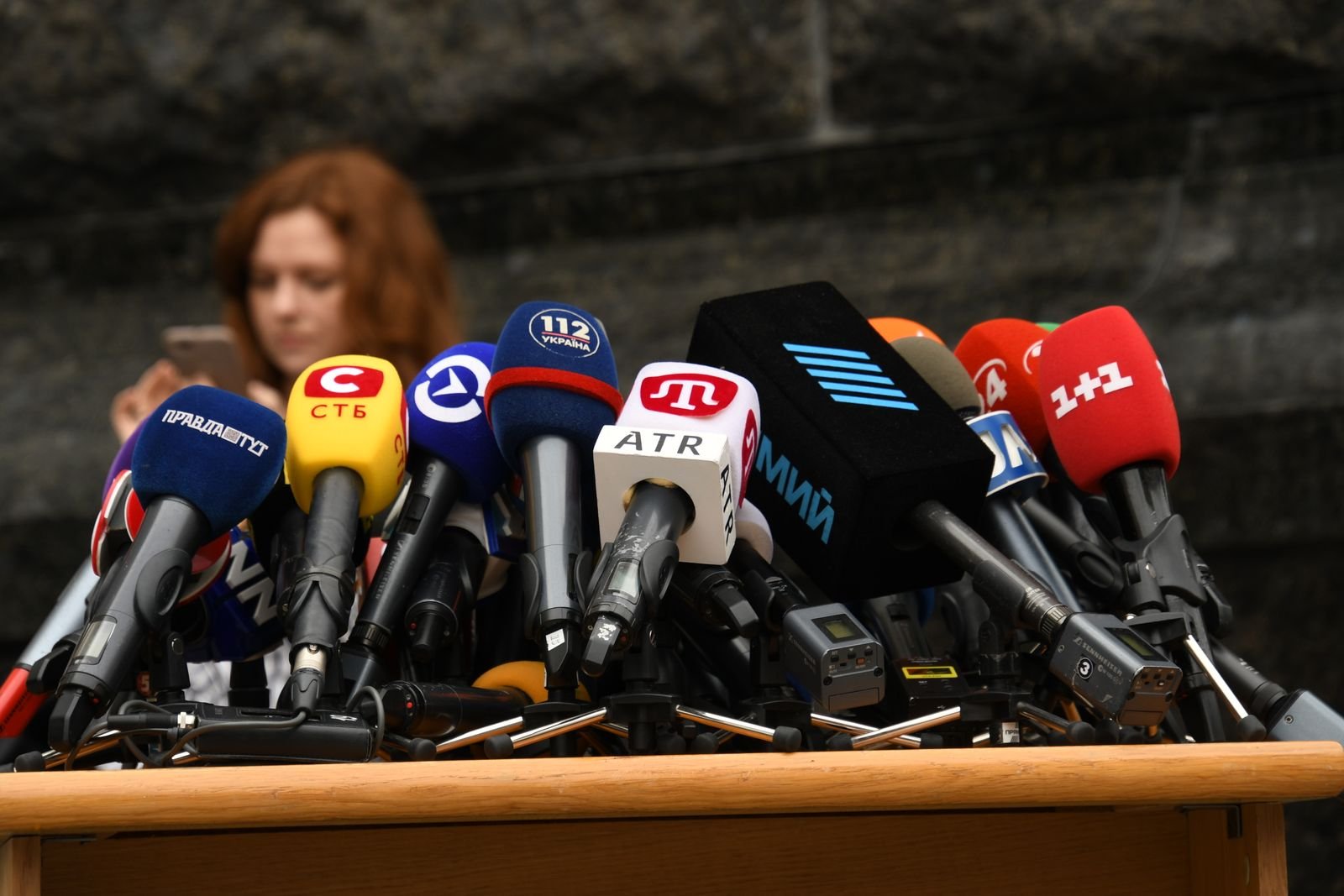
Not all coverage is one thing, and pitching every outlet the same way is the fastest route to being ignored. Broadly, the desks that buy creator stories want different currencies.
The national news desks (The Sun, Daily Mail, Metro, Daily Mirror, Daily Star, Daily Express in the UK; the New York Post and news.com.au further afield) want a story with a hook — a real event, a genuine first, a strong human angle, ideally with a timely reason it’s running today rather than last month. They move fast and they want it clean.
The showbiz and features desks want personality and access — the interview, the first-person account, the “I did this and here’s what happened.” OK!, Us Weekly, People and Cosmopolitan live here. These are slower builds and they reward a creator who can actually talk.
The digital-native and social publishers (LadBible, UNILAD, BuzzFeed, Vice) want shareability — a story that travels on its own, a strong central image or claim, something a reader forwards to a friend.
Broadcast (This Morning, TLC-style formats) wants a guest who can hold a segment — warmth, a clear story, the ability to be interviewed live without freezing.
Knowing which currency a desk trades in tells you what to lead your pitch with. The same underlying life event is a news hook for one desk, a first-person feature for another, and a shareable claim for a third. Sending all of them the identical email tells every editor you didn’t think about their reader.
How to pitch a journalist without getting ignored
Journalists are not hard to reach. They are hard to interest, because they get pitched constantly and most pitches waste their time. A few rules from the side of the desk that receives them.
Lead with the story, not with you. The first line is the headline the reader would click, not “I’m an OnlyFans creator with X subscribers.” If your opening sentence isn’t the angle, you’ve already lost them.
Keep it short and give them everything. A journalist wants the angle, why it’s timely, a line or two of quote, and confirmation you have usable images they can publish. Three tight paragraphs, not an essay.
Respect the clock. A newsroom’s day has a rhythm — mornings are for planning, late afternoons are for filing. A pitch that lands at 4pm on a Friday, when the desk is scrambling to close, needs to be ready to run with zero extra work or it won’t be. If you’re making a journalist chase you for a quote or a photo, you’re making their hardest hour harder, and they’ll pass.
Be reachable and be reliable. The creators who get covered again are the ones who answered quickly, delivered what they promised, and didn’t cause a problem after publication. Editors have long memories for both good and bad experiences.
If writing the pitch itself is where you stall, we’ve broken down the mechanics separately in our guide to press release ideas for OnlyFans creators — the structure, the subject line, and the difference between a release that gets opened and one that gets binned.
Newsjacking: turning a moment into national coverage
The fastest route into the press is often not a story about you at all — it’s attaching yourself, credibly, to a story that’s already moving. This is newsjacking, and done well it’s how a creator with no pre-existing profile gets into a national in a single day.
The mechanism: a big story breaks or a cultural moment lands, editors suddenly need fresh angles and voices on it, and a creator who can offer a genuine, relevant take gets pulled into the coverage. The key word is credible — the connection has to be real, and you have to move within hours, because the window closes fast.
Bonnie Locket built 36 pieces of coverage almost entirely from newsjacking — reading what was already in the news cycle and offering editors a timely, relevant angle at the moment they needed one. It works because it inverts the usual problem: instead of persuading a journalist that your story matters, you’re handing them something they already know their readers want, right when the deadline pressure is highest. You can see how that campaign came together in the case study.
The discipline it demands is speed and judgement: knowing which moments you can credibly join, and moving before the moment passes.
Does press coverage help you get verified on Instagram?
Yes — and it’s one of the most underrated reasons creators pursue it.
Instagram’s verification looks for accounts that are “notable,” and one of the clearest signals of notability is being written about by news outlets the platform recognises. Follower count alone rarely does it; coverage in established titles is the kind of evidence the process is built to weigh. When you’ve been covered in the national press, you have something concrete to point to that a follower graph can’t provide.
The route, in practice: earn genuine coverage in recognised outlets first, so that a search for your name returns real news results, then apply — with those results as your evidence of notability. Coverage first, verification second. Trying to reverse the order is why most applications stall.
DIY versus hiring a publicist — an honest comparison
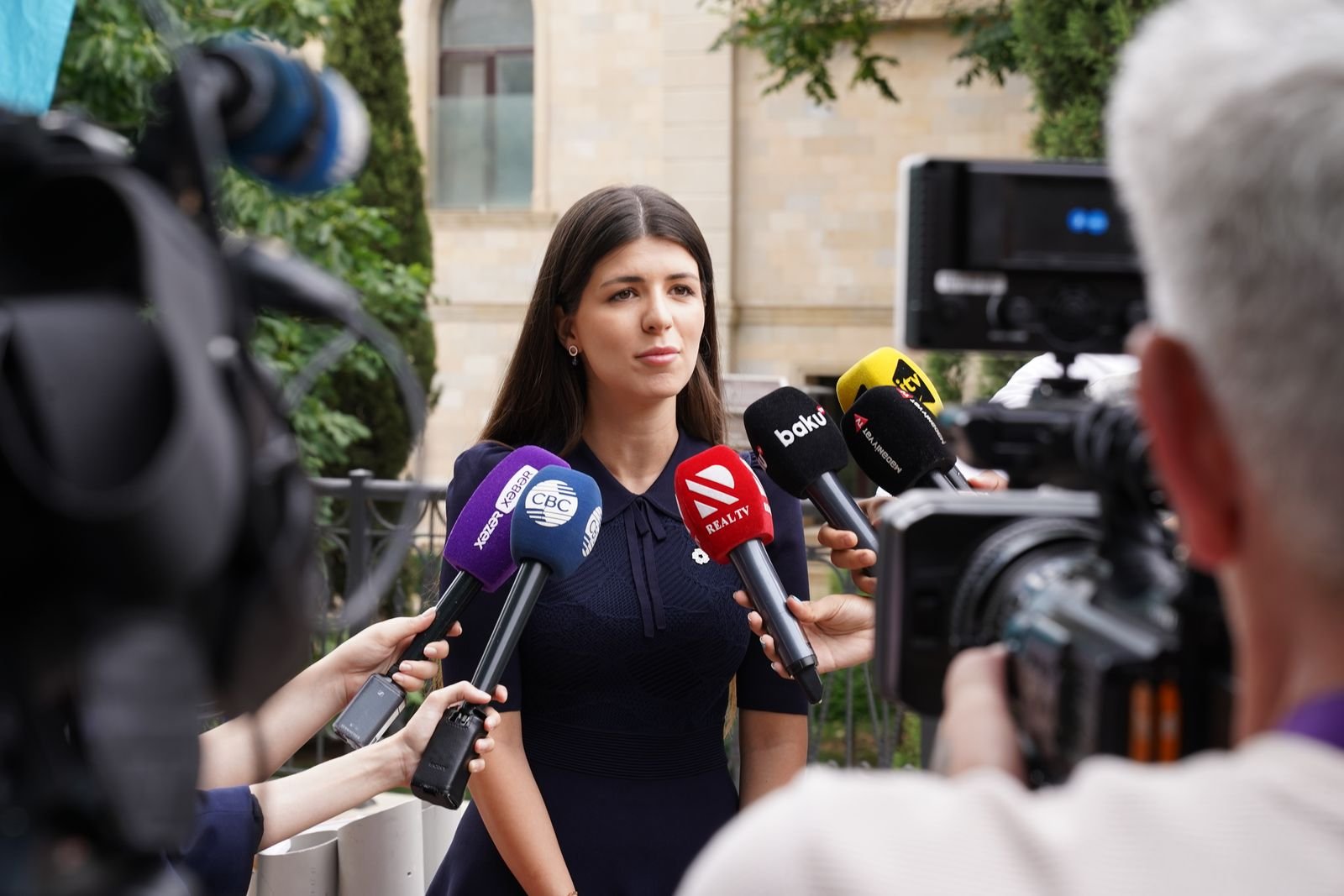
You can do a lot of this yourself, and some creators do. It’s worth being honest about where the DIY ceiling is.
What you can genuinely do alone: find your angle, write a decent pitch, and approach the digital-native publishers, who are the most open to unsolicited stories. If your angle is strong and your timing is good, you can land coverage without help. Plenty of first placements happen this way.
Where it gets hard: the national news and showbiz desks largely run on relationships. An editor opens an email from a name they trust before one they don’t, and a publicist who has placed stories with that desk before is starting a different conversation than a cold pitch. Beyond access, there’s judgement — knowing which angle a specific desk will buy, which moment is worth newsjacking and which isn’t, how to protect you if a story turns, and how to turn one placement into a sustained run rather than a one-off. That’s the difference between 3 pieces and the sustained campaigns that produce 65 across seven titles over 14 months, as with Babestation.
There’s also the matter of who’s writing the words. Our whole model is that senior people — editors and journalists who came out of the newsrooms we’re pitching — handle the work, and you approve every word before it goes anywhere. If you want to understand why that matters, we’ve written separately about why using a PR company matters for OnlyFans models.
If you’ve got a story you think has legs and you want an honest read on whether the press will bite, that’s exactly what our growth call is for. It’s an hour: we map the angle, tell you where you’d stand with the desks, and say plainly whether there’s a story there. No pressure, and a straight answer either way.
Frequently asked questions
How long does it take to get press coverage as a creator?
It varies with the strength of the angle. A timely newsjacking story can land in a single day; a built feature or interview campaign is usually a matter of weeks from the first pitch to publication. What speeds everything up is a genuinely newsworthy angle and usable images ready to go.
Do I need a lot of followers to get in the press?
No. Editors run stories, not follower counts. A creator with a modest audience and a strong, surprising angle will get covered ahead of a bigger account with nothing to say. Your numbers can be part of the story, but they are rarely the reason it runs.
Will press coverage get my OnlyFans banned or hurt my other accounts?
Coverage in mainstream national outlets is written for a general readership and does not contain adult material, so it does not carry the platform risk that explicit promotion does. In fact it tends to do the opposite — it builds the kind of legitimate, searchable public profile that supports verification and brand work.
Can I approach journalists myself, or do I need an agency?
You can approach them yourself, especially the digital-native publishers. The national and showbiz desks run more on established relationships, which is where a publicist’s existing contacts and judgement change what is possible. Many creators start DIY and bring in help once they want the bigger desks or a sustained run.
What kind of stories get adult creators into the national press?
Stories with a real human angle beyond the platform: a life change, a genuine first, a strong opinion on a moment in the news, a surprising twist. The published record is full of examples — a creator’s exit from a strict religious upbringing, a single dramatic relocation, a well-executed launch treated as a news event.
If you’re not ready to pitch anyone yet but want to learn how coverage actually works, our free creator community on Discord is where we share what’s landing in the press, which desks are buying, and what to avoid — no pitch, no fee.
About the author
Chrissie Hunt is a former UK regional news reporter. She now places stories for adult creators with national newspapers and magazines. Meet the team.