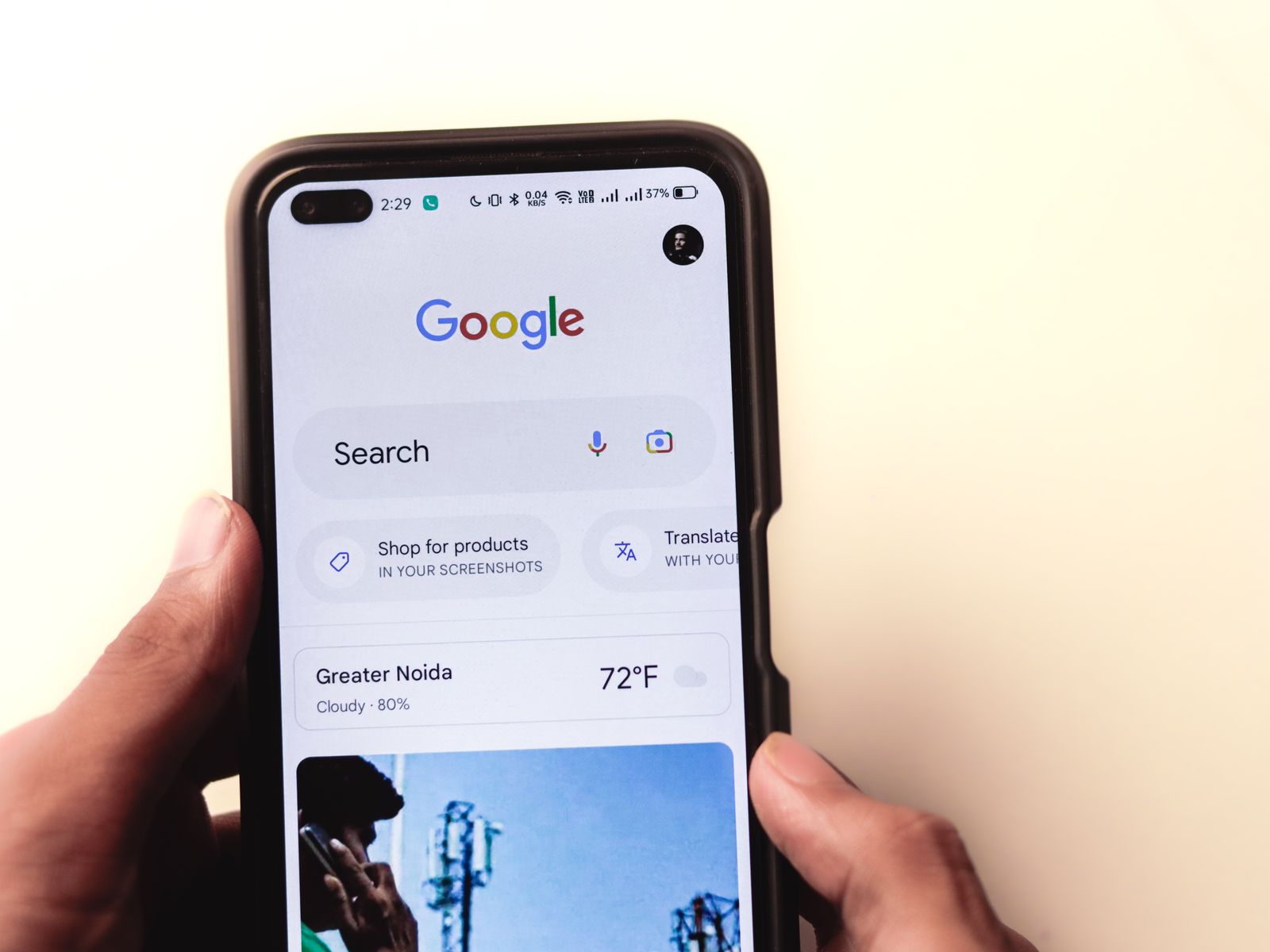
A Google knowledge panel is the box that appears beside the results when someone searches your name. You can’t apply for one. Google creates it when it is confident you are a distinct, notable person, and it decides that from what other sources say about you. So getting one is about building those sources, in the right order, and then claiming the panel once it appears.
This guide covers how that works for any individual, with notes for creators who use a stage name. We place adult creators in the national press, which is the part of this process most people find hardest.
How Google decides who gets a knowledge panel
Google keeps a database of people, places and things it calls the Knowledge Graph. A panel is just the public face of an entry in it. To create an entry for a person, Google needs to be able to answer three questions with confidence:
- Who is this? A clear, consistent identity: one name, one description, one set of official profiles.
- Is it notable? Independent, authoritative sources writing about the person. Not their own posts, and not paid placements.
- Is it the same person everywhere? The coverage, the profiles and the official website all need to point to each other, so Google can be sure they describe one individual.
Follower count on its own doesn’t answer any of these. Plenty of large accounts have no panel, and plenty of people with modest followings do, because journalists have written about them.
Step 1: Pick one name and use it everywhere
Decide the name you want the panel to show. For most creators that is a stage name, which is fine. What matters is consistency: the same spelling on every profile, every bio and every article. If half your coverage says one name and half says another, Google may treat them as two people, or neither.
Write a one-line description too, such as “British content creator and podcaster”. Use it in your bios and give it to journalists. Panels often borrow wording from the sources they trust.
Step 2: Build an entity home
An entity home is an official page about you that Google can treat as the source of truth. A personal website is best; a well-maintained link page is a fallback. It should include:
- your name and one-line description, written the same way as everywhere else
- a short biography
- links to every official profile (Instagram, X, TikTok, YouTube, your subscription page)
- links to press coverage about you
- structured data: “Person” markup with a sameAs list of your official profiles, which tells search engines in machine-readable form that these accounts all belong to you
Then link back to the entity home from each profile’s bio. That loop is what lets Google join the dots.
Step 3: Get independent coverage
This is the step that actually triggers a panel, and the one most guides skip because it is hard. Google trusts recognised publications far more than self-published pages. Several articles in established outlets, each naming you consistently, are the strongest signal you can create.
What counts:
- editorial articles in national, regional or major digital titles
- interviews and features where a journalist chose to cover you
What doesn’t count, or counts very little:
- press releases on distribution sites
- paid “as featured in” placements and sponsored posts
- articles on sites that publish anything for a fee
For adult creators there is a particular trap. A lot of what gets written about you will be on leak, gossip and scraper sites. Those don’t help a panel, and they can crowd the results for your name. Mainstream coverage written for a general audience is what shifts the balance. It’s also the work we do: our OnlyFans PR campaigns are counts of articles in titles like The Sun, the Daily Mail and the New York Post.
If you’re not sure what a journalist will run, read what makes an adult creator’s story newsworthy.
Step 4: Add structured sources
Wikidata is a free, open database that Google draws on. It has its own notability rules: an entry needs serious, publicly available sources about the person. Once you have independent coverage, a Wikidata entry that cites it helps Google connect the facts. Don’t create one before then, as entries without sources tend to be deleted.
Wikipedia is a much higher bar. Most creators won’t meet its notability guidelines, and a rejected or deleted article does more harm than good. You don’t need one for a panel.
Step 5: Claim the panel when it appears
Search your name regularly. When a panel appears, look for “Claim this knowledge panel” at the bottom of it. Google will ask you to sign in and confirm your identity through one of your official profiles. Once verified, you can suggest changes, such as your photo, description and profile links. Google still decides whether to accept them.
There is also a newer route for creators. Google Search profiles let individual creators claim a profile that can feed a knowledge panel. Google says you need a public profile with at least 10,000 followers on Instagram, TikTok, YouTube or X, and the feature is currently available in the US, Canada and India, with more countries planned (Google for Creators). If you qualify, claim it at profile.google.com/claim. It’s quicker than waiting, though it works best alongside real coverage.
How long does it take?
It depends almost entirely on Step 3. If you already have several articles about you in recognised outlets, a panel can appear within weeks of tidying up your entity home and profiles. If you have none, expect months, because the coverage has to come first.
Be wary of anyone selling a guaranteed panel in a few days. Those services usually rely on thin, self-published sources. Panels built that way tend to disappear when Google re-checks them.
A real example: Sophie Rain
Sophie Rain shows the order this happens in. When she signed with us in July 2024 she had a large following but no national press. Wikipedia’s editors declined an article about her twice, in August and December 2024, because she wasn’t yet shown to be notable. On 29 November 2024 we broke her earnings story in The Sun: $43 million in a year. The New York Post, People, the Independent and the South China Morning Post followed. In February 2025 her Wikipedia article was accepted, opening with that story, and Google now shows her a full knowledge panel. The coverage came first; the panel followed. Read the full case study.
Common reasons a panel doesn’t appear
- Name clash. Someone more famous shares your name. A distinctive stage name or a consistent middle initial helps.
- Inconsistent identity. Different names, photos or descriptions across sources.
- No independent sources. Only your own profiles and posts talk about you.
- Low-quality coverage. Paid placements and press-release sites, which Google discounts.
- No entity home. Nothing that ties your profiles and coverage together.
Want help?
We build the press record and the entity work that knowledge panels depend on. See how our knowledge panel service for creators works, or book a discovery call and we’ll search your name with you and tell you honestly how far you are from a panel.
FAQ
Can I pay Google for a knowledge panel?
No. Google doesn’t sell panels and there is no application form. They are generated from the sources Google trusts.
Can I get a knowledge panel under a stage name?
Yes. Use the same stage name consistently across your profiles, your website and your press coverage.
Do I need a Wikipedia page?
No. It helps when it exists, but many people have panels without one.
How do I change the photo on my knowledge panel?
Claim the panel first, then use the suggest-edits option to propose a new image. Google reviews the change before it goes live.
Why did my knowledge panel disappear?
Usually because Google became less confident in the sources behind it, or because they changed. More independent coverage and a consistent entity home usually bring it back.